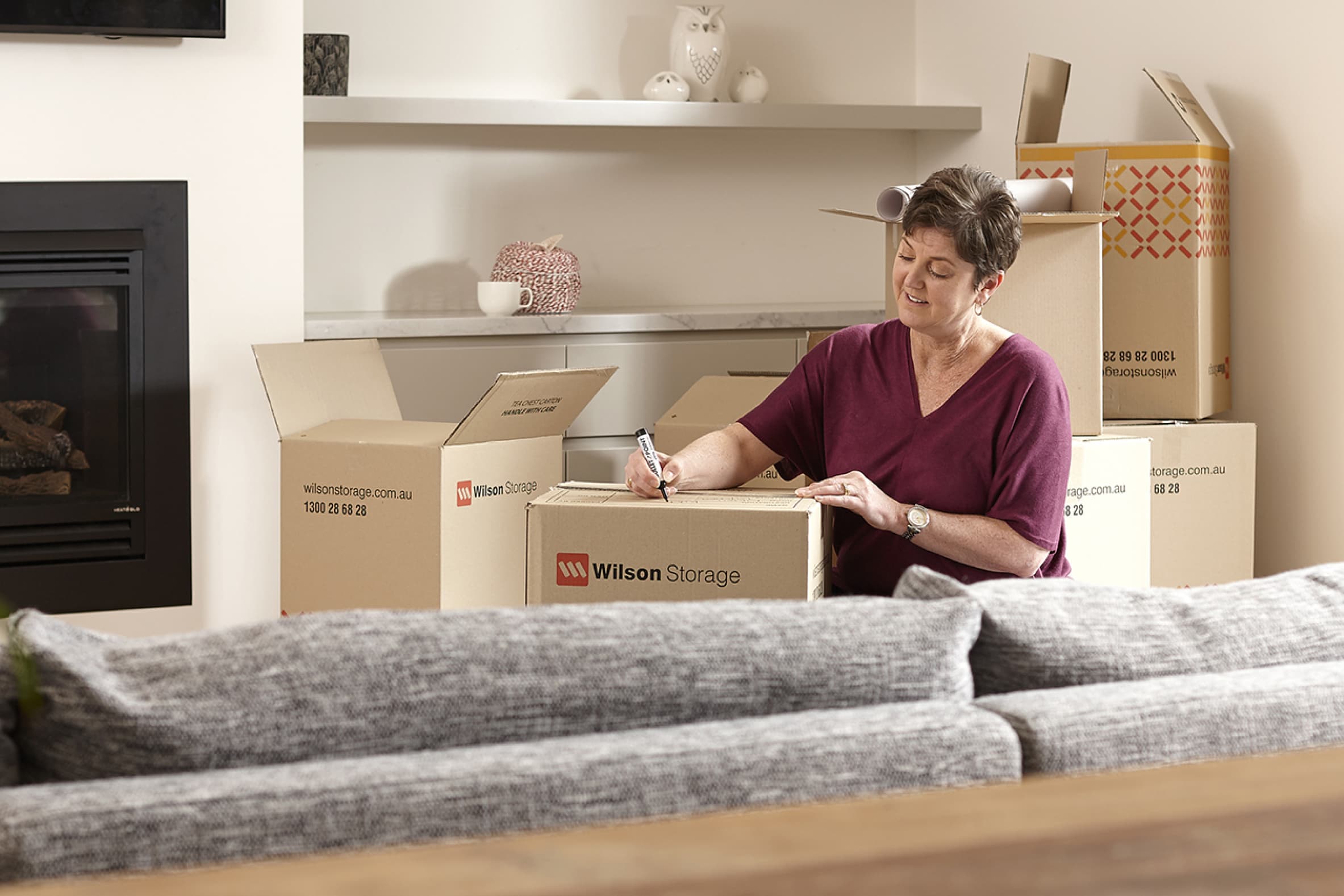
When someone is in the middle of a move, renovation, or downsizing...
buying boxes is rarely the hard part. Getting the right packing materials quickly, without adding another errand to the list, usually is.
We’ve worked alongside Wilson Storage since 2015, helping shape different parts of its digital presence over time. This case study focuses on one specific phase from early 2024: strengthening Wilson’s existing Box Shop so it worked harder as both a customer service and a sales channel.
That thinking sat behind Box on the Run. Rather than treating the Box Shop as a simple click-and-collect offer, the goal was to make it more useful in the real moments customers needed it, with delivery, including same-day delivery in supported areas, sitting alongside collection.
The challenge
The challenge wasn’t building a new ecommerce store from scratch. Wilson already had a Box Shop, but it wasn’t yet doing enough to justify the attention around it. The offer existed, but it wasn’t being treated as a serious growth channel, and it wasn’t being marketed with the kind of focus it needed.
That mattered because the customer need was real. If someone is packing up a house or getting ready to move, convenience matters as much as product quality. The harder question was how to turn an underused online offer into something more commercially meaningful: easier to understand, easier to buy from, and more clearly aligned with the way customers actually needed it. Delivery capability was part of that answer, but only part.

How we approached it
We approached the Box Shop as a connected service, not just a storefront. Together with Wilson Storage, we focused on improving the experience, sharpening the proposition, and backing it with a more deliberate marketing strategy.
That started with the Box Shop itself. We helped update the experience so it felt more like a credible ecommerce channel and less like a side offer sitting adjacent to the core business. The proposition became clearer too: quality packing materials, delivered when needed, with click and collect still available for customers who preferred it.
From there, the work widened. Rendr added an important layer by making more flexible delivery possible, including same-day delivery in supported areas. But the more strategic shift was how we aligned that service with the rest of Wilson’s digital ecosystem. We treated the rollout as both an operational and a marketing problem. If delivery coverage depended on particular facilities, then targeting had to reflect that. Rather than advertising broadly and hoping the fulfilment model would catch up, we focused spend around serviceable areas and expanded the footprint as more locations came online.
That thinking shaped the whole phase. We weren’t just switching on a feature. We were redesigning, refocusing, and re-strategising around a clearer customer need. Paid activity, organic visibility, delivery logic,
The work
In practical terms, the work combined UX refinement, delivery integration, and ongoing problem-solving. We iterated on the Box Shop landing page and checkout flow, refined the language around shipping options, and made the buying journey easier to follow. Some of that work was small but important, like tightening address handling and checkout behaviour so the service felt more reliable in real use.
The Rendr integration also surfaced more operational issues than a simple “delivery add-on” might suggest. Some products were bulky enough to create problems for standard driver setups, and some oversized items were difficult to deliver cost-effectively at all. We worked through those teething pains with Wilson’s team while also helping them stay aligned on dashboards, workflows, and service updates as the system evolved.

Box Shop Boxes
Alongside that, we expanded the Box Shop’s visibility across the wider channel mix: Google Ads, Google Merchant Center, Google Shopping, onsite placements, and other touchpoints that reinforced the offer. The result was a service that was not only easier to use, but easier to notice and easier to trust.

Rendr Checkout
Results
The strongest outcome was that the Box Shop started behaving like a real growth channel once it was treated like one. James Grech’s (our Performance guru) reporting points to online Box Shop revenue more than doubling year-on-year over the following 12 months. Paid activity also became much more efficient, with stronger months returning more than three dollars for every dollar spent.
The earlier comparison is just as telling. In the January to May 2024 period, before the update work gained traction, the Box Shop was delivering modest results. A year later, CPC-led revenue across that same period had increased by well over 600%. Importantly, that uplift wasn’t coming from delivery alone. It came from a more coherent offer, stronger visibility, and sustained optimisation across the whole experience.
Results in numbers
What this phase taught us
This phase reinforced something we see often in long-term partnerships: the launch is rarely the real story. The value came from what happened after the initial rollout: refining the checkout, solving delivery issues as they appeared, improving targeting, widening service coverage, and finding the right rhythm in spend and messaging.
It also showed how much brand clarity matters. By treating the Box Shop as a serious part of Wilson Storage’s offer, rather than an afterthought, we helped make it more recognisable and more useful at the same time. That created a stronger base not just for online sales, but for how the service showed up across the broader business.
Know more
If you’re sitting on a digital offer that exists but isn’t yet pulling its weight, the answer is rarely one feature on its own. Sometimes it’s about getting the service, the operations, and the marketing working together